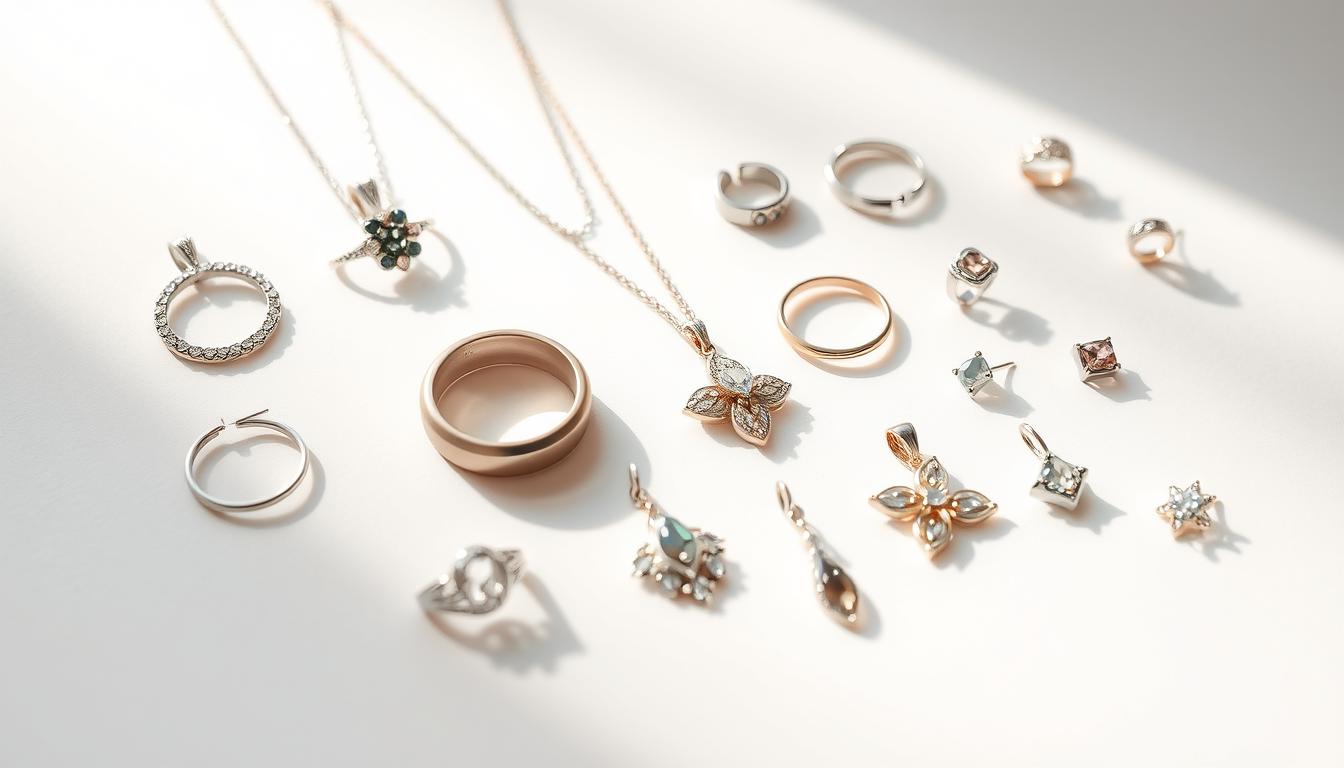
If you’ve ever photographed jewelry yourself, you already know something frustrating happens between the real product and the final image.
The jewelry looks beautiful in front of you. The shine is there. The stones catch light perfectly. But once the photo is taken, everything feels a little flat.
The gold doesn’t look as rich. The diamonds lose sparkle. Tiny dust particles suddenly appear everywhere. And somehow the product that looked premium in real life now looks average on screen.
This is exactly why professional jewelry image editing techniques matter.
Most jewelry photos don’t need dramatic manipulation. They need careful correction. Small improvements usually create the biggest difference.
And honestly, this is where many brands get it wrong.
They either upload raw images without fixing obvious issues, or they over-edit everything until the jewelry looks fake. Neither approach works well for customers.
People buying jewelry online look closely at images. They zoom in. They compare products. They notice details more than most business owners expect.
That means your editing needs to feel clean and natural—not artificial.
Biggest Problem in Jewelry Photography
One issue we see constantly is that cameras capture things human eyes ignore.
During a photoshoot, a ring may look perfectly clean. But once the image appears on a monitor, you suddenly notice:
- tiny dust spots
- fingerprints
- scratches
- uneven reflections
- dark metal edges
- dull gemstones
This happens even in professional shoots.
A lot of jewelry sellers think they need a better camera, but in many cases, the real issue is post-production.
Good jewelry image editing techniques are what transform a technically good photo into a professional product image.
Dust Removal Changes Everything
One of the first things professional retouchers focus on is dust cleanup.
And honestly, this part takes more time than most people realize.
Jewelry photography is extremely unforgiving because macro shots reveal everything. Tiny particles that are invisible in real life become very noticeable after zooming in.
We’ve worked on images where a necklace looked clean during shooting, but once opened in Photoshop, there were dozens of visible dust marks across the metal surface.
Removing these distractions immediately makes the image feel more premium.
And customers may not consciously notice the cleanup—but they absolutely notice when it’s missing.
Reflection Control Is One of the Hardest Parts
Jewelry is reflective by nature, which makes editing difficult.
Gold, silver, diamonds, and gemstones react differently to light, and reflections can quickly become distracting.
One common mistake beginners make is trying to remove every reflection completely. But jewelry without reflection often looks unnatural and lifeless.
The goal is balance.
Good jewelry image editing techniques soften harsh reflections while keeping enough natural shine to make the product feel realistic.
This is especially important for luxury jewelry because customers expect brilliance and depth.
Why Color Accuracy Matters So Much
This is something many jewelry businesses underestimate.
If the gold tone changes between product images, customers notice.
If a sapphire looks too bright blue in one image and darker in another, trust drops immediately.
We’ve seen stores with excellent products lose professionalism simply because image colors were inconsistent across the catalog.
Color correction is not just about making images look nice. It’s about making products feel reliable.
Professional jewelry image editing techniques focus heavily on maintaining accurate and consistent color tones.
Over-Editing Is a Bigger Problem Than Under-Editing
A lot of retouchers try to make jewelry “pop” too much.
The result usually looks unrealistic.
Over-sharpened diamonds, glowing metal edges, extreme contrast, and artificial sparkle effects may grab attention for a second, but they also reduce trust.
Customers are smarter than many sellers think.
If the image feels fake, buyers start wondering whether the actual product will match the photo.
The best jewelry editing often goes unnoticed because it feels natural.
That’s usually the sign of professional work.
Background Consistency Makes a Store Look Expensive
One thing we’ve noticed while working with jewelry brands is how much consistency affects perception.
Even if individual images are decent, inconsistent backgrounds make the entire store feel less professional.
Some images may look warmer. Others cooler. Some shadows may feel stronger. Others softer.
Customers may not identify the exact issue, but they feel the inconsistency subconsciously.
That’s why many professional jewelry brands follow strict editing standards across all product images.
Consistent editing creates a cleaner shopping experience and helps products feel more premium.
Gemstone Editing Requires Precision
Gemstones are tricky.
Too little enhancement and they look dull. Too much enhancement and they start looking fake.
Different stones also react differently to editing. Diamonds, emeralds, sapphires, rubies, and opals all need different handling.
One thing experienced retouchers learn quickly is that gemstone editing should enhance clarity—not completely change appearance.
The goal is to help customers see the beauty already present in the product.
Not create something unrealistic.
Real Purpose of Learning Jewelry Image Editing Techniques
A lot of people think editing is mainly about making images prettier.
But in eCommerce, the real purpose is trust.
That’s what strong jewelry product images actually do.
They reduce hesitation.
When customers clearly see:
- texture
- detail
- color
- shine
- craftsmanship
they feel more confident buying online.
That confidence directly affects conversion rates.
This is why professional jewelry brands invest heavily in image quality. Not because they want flashy images, but because presentation affects buying decisions.
Why Many Jewelry Sellers Eventually Outsource Editing
At first, many store owners try editing themselves.
And honestly, that makes sense in the beginning.
But once product volume increases, jewelry editing becomes extremely time-consuming.
A single image may require:
- dust cleanup
- reflection correction
- color balancing
- gemstone enhancement
- metal smoothing
- sharpening
- shadow adjustment
Doing this consistently across hundreds of images becomes difficult very quickly.
That’s usually when businesses start looking for professional jewelry image editing services.
Not just to save time—but to maintain consistency.
Final Thoughts
The difference between an average jewelry image and a professional one is usually not the camera.
It’s the editing.
Good jewelry image editing techniques help products look cleaner, sharper, and more trustworthy without making them look artificial.
And in online jewelry sales, trust matters more than almost anything else.
Because customers can’t hold the product in their hands.
Your images are doing all the convincing for you.
FAQ: Jewelry Image Editing Techniques
What are jewelry image editing techniques?
They are editing methods used to improve jewelry photos by fixing lighting, removing imperfections, correcting colors, and enhancing overall quality.
Why is jewelry editing important?
Jewelry editing helps products look cleaner, sharper, and more professional, which improves customer trust and engagement.
What is the hardest part of jewelry editing?
Managing reflections and maintaining realistic shine are usually the most challenging parts.
Can jewelry images be over-edited?
Yes. Too much sharpening or unrealistic shine can make jewelry look fake and reduce customer trust.
Which technique matters most?
Color accuracy and detail cleanup are two of the most important jewelry image editing techniques.