If there’s one thing I’ve learned from shooting jewelry over and over again, it’s this:
Lighting is not a setup—it’s a problem you solve every single time.
You don’t just “place a light and shoot” with jewelry. It never works that way. One small change in angle and suddenly a ring that looked perfect becomes full of reflections, hot spots, or dull metal.
And honestly, that’s why a lot of beginners struggle. They think jewelry photography is about expensive cameras. It’s not. It’s about controlling light in a very small, very reflective space.
In real shoots, I spend more time adjusting light than actually taking photos.
So in this guide, I’m not going to give you textbook theory. I’m going to walk you through what actually works in real jewelry product shoots—the kind of setups that consistently produce clean, sellable images for ecommerce.
Understanding Jewelry and Light (The Real Challenge)
Jewelry behaves differently from most products.
It reflects everything. Your lights, your room, even your camera can show up in the surface if you’re not careful.
The biggest challenges are:
- Too much reflection on metal surfaces
- Gemstones losing sparkle under flat lighting
- Tiny dust or fingerprints becoming visible
- Overexposure on shiny edges
And the funny part? The “perfect lighting setup” doesn’t exist. You adjust depending on the piece.
Gold behaves differently than silver. Diamonds behave differently than colored stones. Even polished rings behave differently than matte jewelry.
Once you understand that, your lighting decisions become much more flexible.
Natural Light: Still the Most Underrated Setup
I still use natural light more often than people expect.
Not because it’s “easy,” but because it’s honest. It shows jewelry in a way customers actually see it in real life.
The setup is simple:
A window, a table, and patience.
But here’s what really matters:
Don’t shoot in direct sunlight. That’s where most beginners go wrong. It creates harsh reflections that destroy detail on shiny surfaces.
What works better is soft window light—usually morning or late afternoon.
When I shoot near a window, I often move the jewelry just a few inches left or right and the entire look changes. Sometimes even rotating the piece slightly gives better sparkle.
That’s how sensitive jewelry lighting is.
Studio Lighting: When You Need Control
When I need consistency—especially for ecommerce catalogs—I switch to studio lights.
Not because it looks better automatically, but because it removes guesswork.
A basic setup that actually works:
- Two soft lights on both sides
- White or neutral background
- A diffuser in front of lights
The goal here is not brightness—it’s balance.
If one side is slightly stronger than the other, the jewelry starts looking uneven. If the light is too hard, reflections become ugly fast.
In real shoots, I rarely use lights at full power. I prefer lowering intensity and controlling reflections manually.
It takes longer, but results are cleaner.
Light Tent: The “Quick Fix” That Actually Helps
I won’t lie—light tents are not perfect. But they are useful.
Especially when you’re shooting:
- Small rings
- Earrings
- Simple catalog items
It removes a lot of reflection problems instantly.
But here’s the catch:
Everything can start looking flat if you rely on it too much.
So I usually use it as a starting point, then add small tweaks like:
- Opening one side of the tent
- Adding a reflector outside
- Slight angle changes
It’s not a final solution—it’s a controlled base.
The Secret Is Not Light Type — It’s Light Direction
This is something I realized after a lot of trial and error.
Most people focus on what light they use. But the real difference comes from where the light is placed.
Let’s break it down simply:
Front Light
Clean and safe. Good for ecommerce listings. But sometimes too flat.
Side Light
My personal favorite for jewelry. It creates depth and shows texture.
Back Light
Harder to control, but beautiful for gemstones and glow effects.
In real shoots, I constantly move lights a few inches. That small change is often what creates “perfect sparkle.”
Not the equipment.
Making Jewelry Sparkle (Without Overdoing It)
A lot of people try to “force sparkle” with strong lights.
That usually backfires.
What actually works better is controlled highlights.
Instead of blasting light everywhere, I focus small reflections exactly where I want them to appear.
Sometimes I even use:
- Small reflectors
- White cards
- Tiny repositioning of the piece
And honestly, patience matters more than gear here.
You wait for the light to hit the gemstone naturally instead of forcing it.
That’s where real sparkle comes from.
Common Mistakes I See All the Time
These are mistakes I’ve personally made and still see often:
1. Over-lighting the product
More light doesn’t mean better image. It often destroys detail.
2. Ignoring reflections in metal
Even your shirt color can reflect into polished jewelry.
3. Not cleaning the product
Dust becomes very visible under strong light.
4. Shooting too fast
Jewelry photography is slow. Rushing always reduces quality.
Real Studio Workflow (Simple Version)
When I shoot jewelry for ecommerce, my process usually looks like this:
- Clean the product properly
- Set base lighting
- Place jewelry and check reflection
- Adjust light angle slightly
- Take test shots
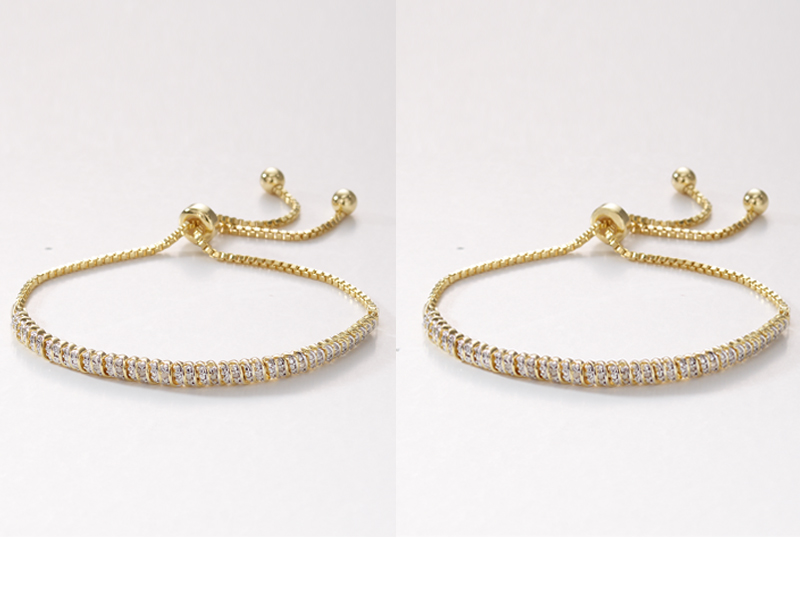
- Refine until highlights look natural
- Shoot multiple angles
The key here is repetition and adjustment, not setup perfection.
Final Thoughts: Lighting Is About Control, Not Equipment
If there’s one thing I want you to take from real jewelry photography work, it’s this:
You don’t need perfect gear—you need control over light.
Even simple setups can produce premium results if you understand how light interacts with metal and gemstones.
Every piece of jewelry is different. Every shoot requires small adjustments.
And honestly, that’s what makes it interesting.
Because once you learn how to “read light,” you stop depending on equipment—and start creating images intentionally.
That’s when your jewelry photography starts looking professional.
FAQ: Jewelry Photography Lighting
What is the best lighting for jewelry photography?
Soft natural light or diffused studio lighting works best because it reduces harsh reflections and shows true product details.
Can I take jewelry photos with natural light?
Yes, natural window light is one of the easiest and most effective lighting setups for beginners.
How do I make jewelry sparkle in photos?
Use small controlled light sources, adjust angles, and use reflectors to enhance highlights.
Why does my jewelry look dull in photos?
Most likely due to poor lighting, incorrect angles, or lack of reflection control.
Do I need studio lights for jewelry photography?
Not always. You can start with natural light, but studio lights help achieve consistent professional results.