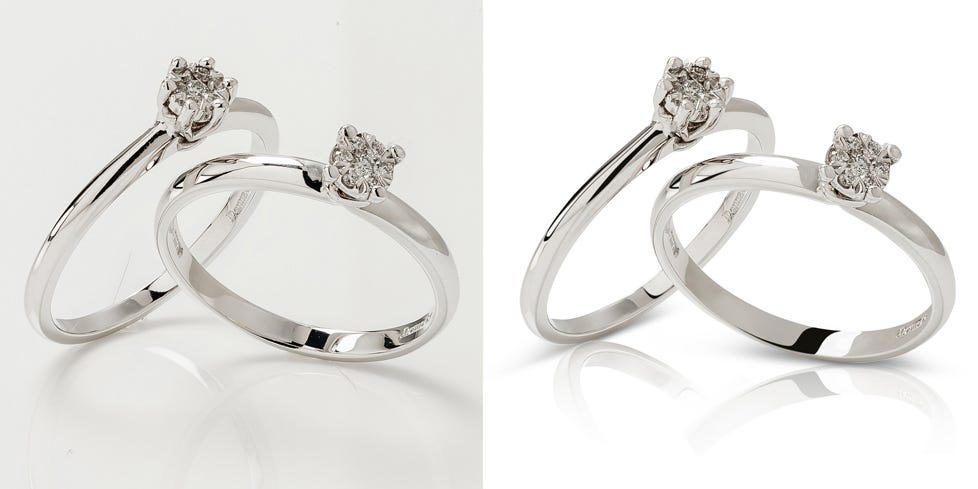
When someone lands on your product page, your images do the talking before anything else. In jewelry, that first impression is everything. A slightly dull gold tone or a lifeless gemstone can instantly reduce perceived value—even if the product itself is premium.
That’s where jewelry photo retouching becomes a business tool, not just an editing step.
This guide is built to help you understand how to retouch jewelry photos professionally, what actually makes an image convert, and how to avoid the common mistakes that quietly cost you sales.
What Jewelry Retouching Really Means (From a Buyer’s Perspective)
Most guides explain retouching from a technical angle. But here’s what actually matters:
Your customer is asking:
- “Does this look real?”
- “Can I trust this product?”
- “Is this worth the price?”
Jewelry retouching is about answering those questions visually.
It’s not about making images “perfect.”
It’s about making them clear, believable, and premium.
Why Basic Editing Fails in Jewelry E-commerce
A lot of businesses rely on basic edits—background removal, slight brightness tweaks—and expect strong results.
But jewelry is different.
Without proper retouching, you’ll usually see:
- Gold that looks faded instead of rich
- Diamonds that appear gray instead of brilliant
- Reflections that distract instead of enhance
- Fine details that disappear on zoom
The result? The product feels cheaper than it actually is.
This is why high-end jewelry retouching isn’t optional if you care about conversions.
Real Problems in Jewelry Photos (And What Your Customers Notice)
Let’s break this down from a user perspective—not just technical flaws, but how they affect buying decisions.
1. Lack of Shine = Lack of Value
If metal doesn’t reflect light properly, it feels flat and low-quality.
✔ Retouching adds controlled highlights and contrast to bring back that premium feel.
2. Dead Gemstones = No Emotional Pull
Jewelry sells on emotion. A dull stone kills that instantly.
✔ Proper gemstone enhancement improves brilliance while keeping it realistic.
3. Visible Imperfections = Trust Issues
Dust, scratches, or uneven surfaces create doubt.
✔ Cleaning these details makes the product feel refined and reliable.
4. Poor Depth = Fake Look
Flat images feel unnatural and “edited.”
✔ Adding natural shadows and depth makes the product feel real and tangible.
Professional Jewelry Retouching Workflow (What Actually Makes the Difference)
Here’s a more advanced look at the jewelry retouching workflow—focusing on results, not just steps.
1. Precision Background & Edge Work
This isn’t just clipping.
- Clean, natural edges (no jagged cuts)
- Proper separation from background
- Alignment for consistent catalog display
This directly affects how “professional” your store feels.
2. Micro-Level Cleaning (The Invisible Work)
This is where most of the time goes.
- Dust removal at pixel level
- Scratch correction
- Surface smoothing without losing texture
Customers don’t notice this consciously—but they feel the quality.
3. Metal Tone Refinement
Different metals need different treatment.
- Gold → warm, rich, not overly yellow
- Silver → clean, neutral, slightly cool
- Rose gold → balanced, not oversaturated
Accurate tones build trust and reduce returns.
4. Gemstone Detailing & Light Control
This is where images start to “sell.”
- Enhance internal reflections
- Improve edge sharpness
- Balance brightness without overexposing
The goal is subtle brilliance—not artificial sparkle.
5. Reflection Management (Advanced Level)
Jewelry reflects everything—camera, lights, environment.
- Remove distracting reflections
- Keep controlled highlights
- Shape reflections to enhance form
This is one of the biggest differences between basic and high-end retouching.
6. Depth & Shadow Engineering
Flat images don’t convert.
- Soft natural shadows
- Reflection shadows for luxury feel
- Depth adjustments to separate elements
This makes the product feel “real” on screen.
7. Final Color Consistency & Output Optimization
Especially important for e-commerce stores.
- Match colors across product collections
- Optimize for web without losing detail
- Maintain consistency in size, angle, and tone
This creates a clean, premium shopping experience.
Tools & Techniques Behind High-End Results
Most professional editors rely on tools like Adobe Photoshop—but the tool itself isn’t the advantage.
The real difference comes from how it’s used:
- Frequency separation for controlled surface cleanup
- Dodge & burn for shaping light and depth
- Advanced masking for precision edits
Anyone can use tools. Very few can use them subtly and correctly.
High-End vs Basic Jewelry Retouching (From a Business Impact View)
| Aspect | Basic Editing | High-End Retouching |
|---|---|---|
| Visual Quality | Acceptable | Premium |
| Detail Level | Low | Extremely high |
| Brand Perception | Average | Luxury |
| Conversion Impact | Limited | Strong |
| Customer Trust | Moderate | High |
If your pricing is premium, your images must match that level.
How Jewelry Retouching Directly Affects Sales
This is where everything connects.
Better retouching leads to:
- Higher click-through rates
- Longer time spent on product pages
- Increased trust in product quality
- Fewer misunderstandings → fewer returns
In simple terms: better images = better sales performance
Common Jewelry Retouching Mistakes That Hurt Conversions
Even experienced teams get this wrong:
- Over-editing (looks fake and artificial)
- Over-sharpening gemstones (creates noise)
- Unrealistic colors (leads to returns)
- Removing all reflections (kills realism)
The goal is not perfection—it’s controlled realism.
Jewelry Photography vs Retouching: What Matters More?
You need both—but they serve different roles.
- Photography captures the product
- Retouching refines and sells it
Even a great photo can underperform without proper editing.
And a good retouch can significantly elevate an average shot.
Why Most Jewelry Images Fail to Sell (And How Retouching Fixes It)
Most jewelry images don’t fail because of the product—they fail because of how the product is presented. Even high-quality pieces can look dull, flat, or unappealing if the image lacks proper lighting, detail, and refinement.
Common issues like poor reflections, weak contrast, and visible imperfections can reduce the perceived value of the jewelry. When customers can’t clearly see the quality, they hesitate to buy.
Professional jewelry retouching solves this by enhancing the product without over-editing it. It improves clarity, restores shine, and removes distractions, allowing the true quality of the jewelry to stand out. The result is an image that not only looks better but also performs better in terms of engagement and conversions.
What Makes Jewelry Look Expensive in Photos? (It’s Not Just the Product)
An expensive look doesn’t come only from the jewelry itself—it comes from how it’s presented. Lighting, contrast, color balance, and detail all play a major role in how customers perceive value.
Well-retouched images highlight fine details, maintain accurate colors, and create a sense of depth. Clean reflections and controlled highlights give the jewelry a polished, premium appearance without making it look artificial.
On the other hand, poorly edited images can make even luxury pieces look average. That’s why professional retouching focuses on subtle improvements that elevate the overall visual quality while keeping the image realistic and trustworthy.
Are Your Jewelry Photos Costing You Sales Without You Realizing It?
Many businesses focus on pricing, marketing, and product quality—but overlook the impact of their images. In reality, low-quality visuals can quietly reduce conversions without any obvious warning signs.
If your jewelry photos lack sharpness, depth, or accurate color, customers may lose confidence in the product. They might leave your page, compare with competitors, or decide not to purchase at all.
Improving your images through professional retouching can make a noticeable difference. Clear, high-quality visuals help customers understand the product better, feel more confident, and make faster buying decisions. In many cases, upgrading your images alone can significantly improve overall sales performance.
Psychology Behind High-Converting Jewelry Images
Buying jewelry is often an emotional decision. Customers are not just purchasing a product—they are buying a feeling, a moment, or a sense of value. Your images need to support that experience.
High-converting jewelry images use visual cues to build trust and desire. Sharp details signal quality, balanced lighting creates comfort, and realistic colors reduce uncertainty. Subtle shadows and depth make the product feel tangible, almost as if the customer can reach out and touch it.
When retouching is done correctly, it aligns with how people naturally perceive quality and beauty. This psychological connection is what turns a simple product image into a powerful selling tool.
Final Takeaway
Jewelry photo retouching is not just about making images look better—it’s about making your product feel valuable, trustworthy, and worth buying.
If your images don’t reflect the quality of your jewelry, you’re losing opportunities every single day.
The brands that win in this space don’t just take good photos—
they invest in how those photos are presented.
FAQ About Jewelry Photo Retouching
What is jewelry photo retouching?
Jewelry photo retouching is the process of enhancing product images to make them look clean, polished, and visually appealing while keeping them realistic. It includes removing dust and scratches, improving metal shine, enhancing gemstones, and correcting colors.
Why is jewelry retouching important for e-commerce?
Online buyers can’t physically see or touch your product, so images do all the work. High-quality retouching helps present jewelry clearly, builds trust, and increases the chances of conversion while reducing returns.
What’s the difference between basic editing and high-end jewelry retouching?
Basic editing usually includes background removal and simple color adjustments. High-end retouching goes much deeper—cleaning fine imperfections, refining reflections, enhancing gemstones, and creating a premium, realistic finish.
How long does jewelry photo retouching take?
It depends on the complexity of the image. Simple edits may take a few minutes, but detailed, high-end retouching can take anywhere from 30 minutes to several hours per image to achieve a professional result.
Which software is used for jewelry photo retouching?
Most professionals use tools like Adobe Photoshop because it allows precise control over details like reflections, textures, and color correction.
Can all jewelry photo problems be fixed in retouching?
Not always. While retouching can fix many issues like dust, scratches, and lighting imbalances, extremely poor photography (blurry images, heavy shadows, lack of detail) may limit the final result. Good photography + proper retouching gives the best outcome.
How do you make jewelry look shiny but still natural?
This is done by carefully controlling highlights and contrast, enhancing reflections, and using techniques like dodge and burn. The key is balance—too much shine looks fake, too little looks dull.
Does retouching affect the actual color of the jewelry?
Professional retouching focuses on color accuracy, not distortion. The goal is to match the real-life appearance as closely as possible so customers get exactly what they expect.
How does jewelry retouching help increase sales?
Well-retouched images:
- Make products look more premium
- Highlight important details clearly
- Build customer confidence
- Reduce confusion and returns
Better visuals lead to better buying decisions.
Is outsourcing jewelry photo retouching a good idea?
Yes, especially for brands handling large volumes. Outsourcing helps save time, maintain consistency, and scale faster while ensuring professional-quality results.
What are the most common mistakes in jewelry retouching?
Some common mistakes include:
- Over-editing images
- Using unrealistic colors
- Removing all reflections
- Over-sharpening gemstones
These can make images look artificial and reduce trust.
How can I choose the right jewelry retouching service?
Look for:
- Before/after samples
- Consistency in quality
- Attention to detail
- Ability to maintain realistic results
A good service focuses on both visual quality and business impact.