When people talk about jewelry retouching, they usually focus on the editing itself—how to make jewelry shine more, how to remove imperfections, or how to make images look premium.
But here’s something most sellers realize a bit late: The quality of your final image depends just as much on how you prepare your photos as it does on how you edit them.
We’ve worked with many jewelry businesses—small handmade sellers, growing eCommerce brands, even established stores—and the pattern is almost always the same. When the original photos are prepared properly, the editing becomes easier, faster, and noticeably better.
On the other hand, when preparation is rushed or ignored, even the best jewelry retouching can only do so much.
So if you want your images to actually look clean, professional, and ready to sell, this part matters more than you might think.
A Real Example That Explains Everything
Let’s start with a real situation.
One of our clients was selling handmade necklaces online. The craftsmanship was excellent, and the designs were unique. But their product images didn’t reflect that quality at all.
The gold looked slightly dull. The gemstones lacked depth. Some images even had visible dust particles when zoomed in.
Their first thought was simple:
“We need better jewelry retouching.”
But when we reviewed their photos, the issue wasn’t just editing—it was preparation.
We suggested a few simple changes:
- Clean the jewelry before shooting
- Use softer, diffused lighting
- Keep the background simple
- Stabilize the camera
They followed these steps and sent a new batch.
The difference was immediate.
The images already looked better before retouching. After editing, they looked premium—sharp, clean, and consistent.
And here’s what matters most: their product engagement improved.
That’s the real impact of proper preparation.
Why Preparation Matters in Jewelry Retouching
Jewelry is one of the most detail-sensitive products you can photograph.
Unlike clothing or furniture, even the smallest imperfection can stand out. A tiny dust particle, a minor scratch, or uneven lighting can completely change how the product looks in an image.
When customers view jewelry online, they often zoom in. They examine details closely. If something looks off—even slightly—it affects their confidence.
That’s why preparation is so important.
It ensures that your images start from a strong base, so jewelry retouching can enhance them instead of trying to fix major issues.
Step 1: Start with Clean Jewelry
This might sound obvious, but it’s one of the most commonly missed steps.
Jewelry attracts dust, fingerprints, and smudges very easily. These are often invisible during shooting but become highly visible in high-resolution images.
We’ve seen cases where clients were surprised to see how much dust appeared after zooming in on their photos.
While jewelry retouching can remove these imperfections, it takes time and can sometimes affect the natural texture of the product.
A simple cleaning routine before shooting can prevent this.
Use a soft cloth, handle the jewelry carefully, and make sure it’s spotless before placing it in front of the camera.
It’s a small effort that makes a big difference.
Step 2: Use the Right Lighting Setup
Lighting is one of the biggest factors in jewelry photography.
Too much direct light creates harsh reflections and blown-out highlights. Too little light makes the product look flat and lifeless.
What you need is soft, balanced lighting.
A diffused light source works best because it spreads light evenly across the jewelry. This helps bring out the natural shine without creating distracting reflections.
We’ve worked with clients who improved their images significantly just by adjusting their lighting setup—without changing anything else.
And when lighting is right, jewelry retouching becomes more about enhancement than correction.
Step 3: Choose a Clean and Simple Background
Your background should never compete with your product.
A busy or colorful background can distract attention and make your jewelry look less professional.
Most successful jewelry brands use white or neutral backgrounds because they keep the focus on the product.
A simple background also makes editing easier and faster. Tasks like background cleaning or replacement become smoother during jewelry retouching.
If your goal is to create a clean, professional look, simplicity is always the better choice.
Step 4: Keep Your Camera Stable
Sharpness is critical in jewelry images.
Even a slight blur can reduce the quality of your photo and limit what can be achieved during jewelry retouching.
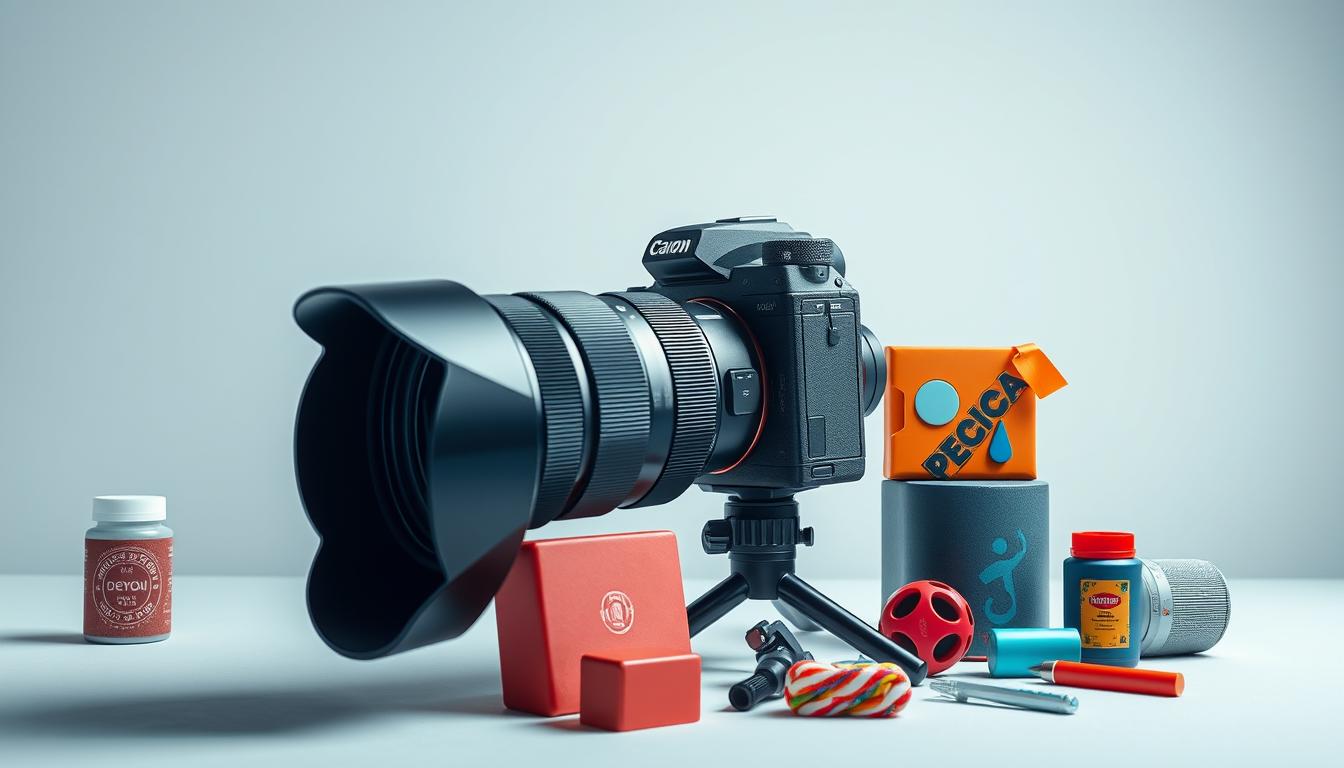
Using a tripod is one of the easiest ways to improve image quality. It keeps your camera stable and ensures consistent framing across multiple shots.
We’ve seen many images that looked fine at first but lost clarity when zoomed in. That’s usually due to camera movement.
A stable setup solves this problem completely.
Step 5: Shoot in High Resolution
High-resolution images give you more flexibility during editing.
They capture more detail, which allows for better refinement during jewelry retouching.
Low-resolution images, on the other hand, lose important details. Once those details are lost, they cannot be fully recovered.
If you want your final images to look sharp and professional, always shoot in the highest resolution available.
Step 6: Capture Multiple Angles
Customers don’t just want to see one view—they want to explore the product.
Taking multiple shots from different angles helps showcase the design, depth, and craftsmanship of your jewelry.
It also gives you more options to choose from during jewelry retouching.
Sometimes, one angle may work better than others after editing. Having multiple options ensures you always get the best final resultStep 7: Avoid Over-Editing Before Retouching
It’s tempting to apply filters or adjustments before sending images for editing.
But this can actually limit what can be done during professional jewelry retouching.
Heavy contrast, color filters, or exposure changes can reduce flexibility and affect the final outcome.
It’s always better to send natural or minimally edited images.
This allows for more precise and controlled editing.
Step 8: Organize Your Files Properly
Preparation isn’t just about photography—it’s also about organization.
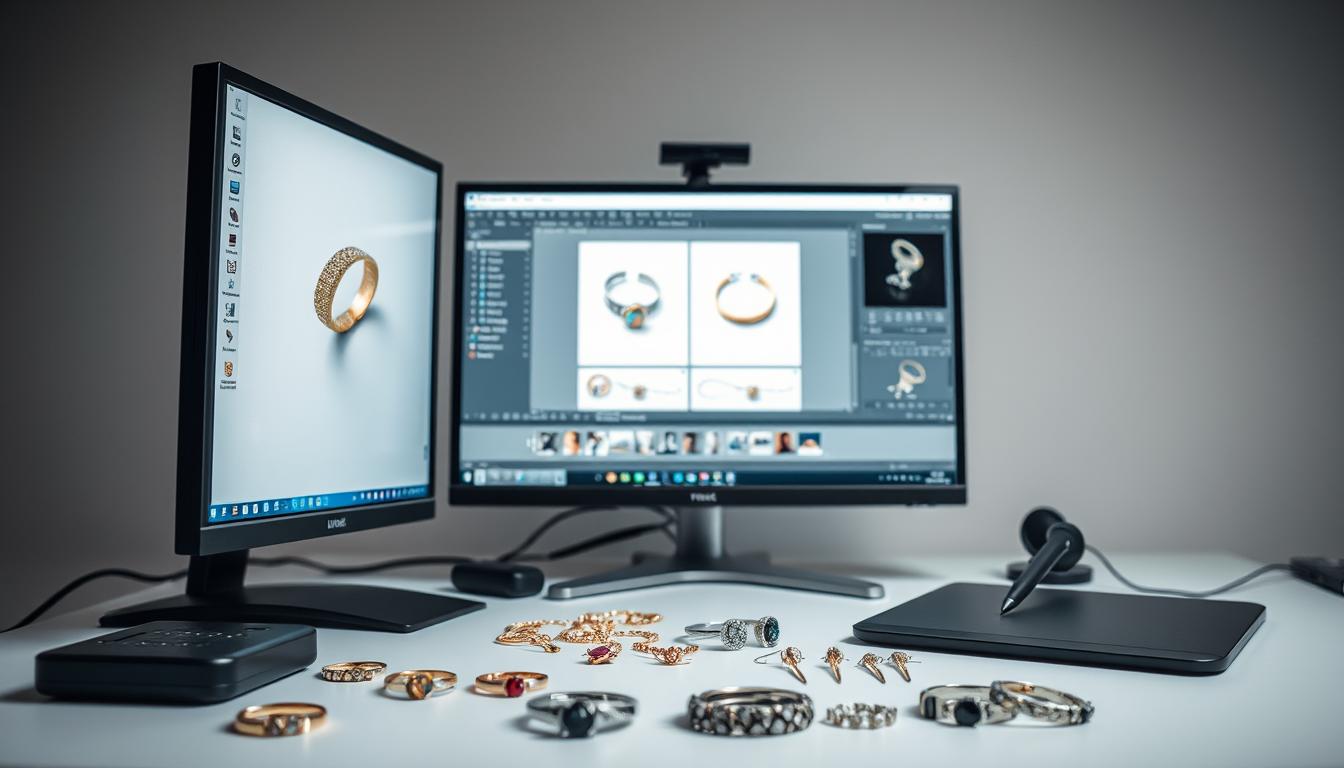
When sending images for jewelry retouching, clear file naming and proper grouping can save time and avoid confusion.
If you have specific instructions, mention them clearly.
This ensures your images are edited exactly the way you want.
What Happens When You Do It Right
When your photos are properly prepared, everything changes.
Editing becomes faster and more effective. The final images look cleaner, sharper, and more consistent.
More importantly, your products start to feel more premium.
We’ve seen businesses improve their store appearance simply by improving their image preparation process.
And when your images improve, customer response improves too.
What Happens When You Skip These Steps
On the other hand, poor preparation creates challenges.
We’ve received images with strong reflections, uneven lighting, and visible dust. While jewelry retouching can fix many of these issues, the final result is never as clean as it could have been.
It also takes more time and effort.
That’s why preparation is always worth it.
A Simple Mindset Shift
Instead of thinking of editing as the solution, think of preparation as the foundation.
Good preparation doesn’t replace jewelry retouching—it makes it more powerful.
When both work together, the results are much better.
Final Thought
Jewelry is all about detail, and your images should reflect that from the very beginning.
When you take the time to prepare your photos properly, the editing process becomes smoother, the results become better, and your products become more appealing.
And in the end, that’s what matters—images that don’t just look good, but actually help you sell.
FAQ
Do I need expensive equipment to prepare jewelry photos?
No. A simple setup with good lighting and a stable camera is enough. Preparation matters more than expensive gear.
Can jewelry retouching fix everything?
It can fix many issues, but not all. Poor lighting, blur, and low resolution limit what can be improved.
How clean should the jewelry be before shooting?
As clean as possible. Even small dust particles can become visible in high-resolution images.
What type of lighting works best?
Soft, diffused lighting works best. It highlights the jewelry without creating harsh reflections.
Is a white background necessary?
Not always, but it’s the safest option for a clean and professional look.
Should I take multiple photos?
Yes. Multiple angles give you more options and improve your final results.
Can I edit photos myself before sending them?
It’s better to send natural images. Over-editing can reduce flexibility during professional jewelry retouching.