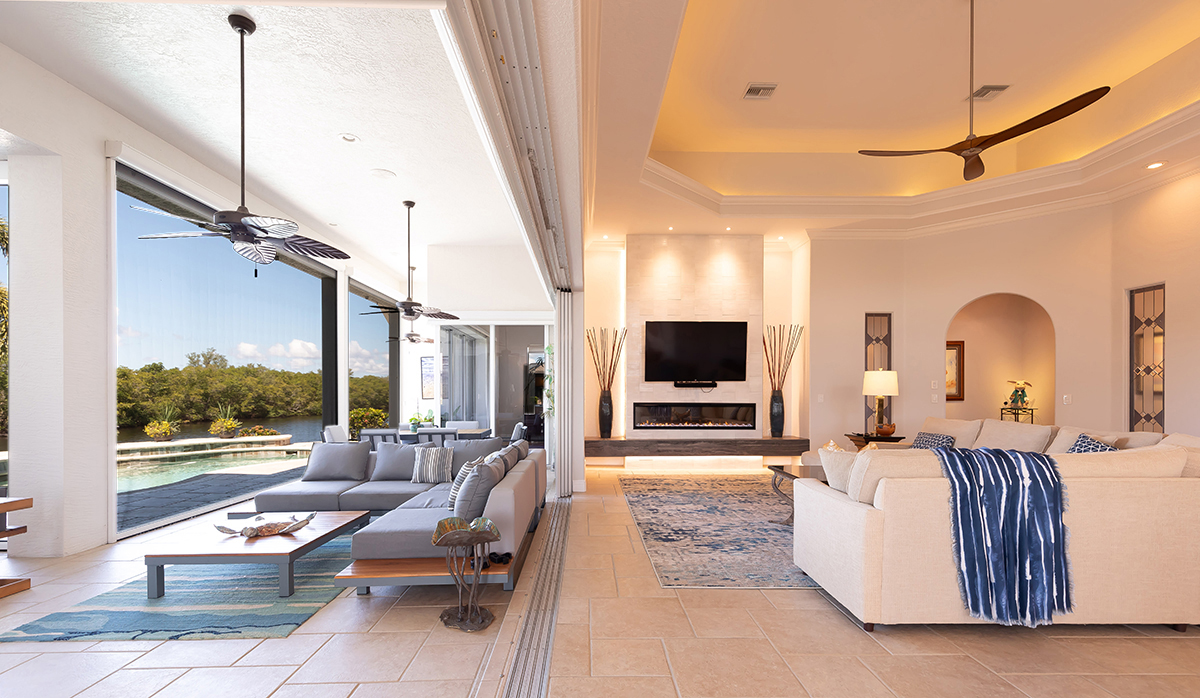
If you’ve ever looked at a real estate photo where the interior looks great but the windows appear completely white or blown out, you’ve already seen why window masking matters. Windows are one of the hardest parts of real estate photography to get right, especially when bright daylight meets darker interior spaces.
Window masking is a simple but powerful photo editing technique used to fix this problem. It helps balance indoor and outdoor light so the image looks natural, clear, and professional—just like the property would feel in real life.
This guide explains window masking in simple terms, without technical jargon.
What Is Window Masking?
Window masking is a photo editing process used in real estate photography to control how windows appear in an image. It allows editors to separately adjust the brightness and details inside the window without affecting the rest of the photo.
In simple terms, it helps show what’s outside the window while keeping the interior properly lit. Instead of bright white windows or unnaturally dark rooms, window masking creates a balanced and realistic look.
The goal is not to make the view dramatic or fake, but to make the photo feel natural and believable.
Why Windows Are Difficult to Photograph
Cameras struggle to capture bright outdoor light and darker indoor spaces at the same time. When you expose for the room, the windows often become too bright. When you expose for the outside view, the room becomes too dark.
This is a technical limitation of cameras—not a mistake by the photographer.
Window masking solves this issue during the editing stage by treating the window area separately from the rest of the image.
How Window Masking Works
During window masking, the editor carefully selects only the window area in the photo. This selection allows adjustments to be made to the window without changing the walls, furniture, or lighting inside the room.
Once the window is masked, the brightness is reduced and details from the outdoor view are restored or blended in. The interior remains bright and clean, while the window looks clear and natural.
When done correctly, the edit is subtle. Viewers shouldn’t notice the technique—they should only notice how balanced the photo feels.
What Window Masking Is Not
Window masking is not about adding fake views or changing the property’s surroundings. A professional editor uses realistic outdoor scenes that match the lighting, angle, and location of the photo.
It also shouldn’t make windows look darker than the room or overly dramatic. Overdone window masking can make a photo look artificial, which reduces trust in a listing.
The best window masking looks invisible.
When Window Masking Is Used in Real Estate Photos
Window masking is commonly used in interior photos where windows are a key feature of the space. Living rooms, kitchens, bedrooms, and dining areas benefit the most.
It’s especially helpful when a property has scenic views, city skylines, gardens, or natural surroundings that add value to the listing.
In luxury real estate photography, window masking is often considered a standard part of professional editing.
Window Masking vs HDR Editing
Window masking and HDR editing are often used together, but they are not the same.
HDR editing blends multiple exposures to balance light across the entire image. Window masking focuses specifically on windows and outside light.
In many cases, HDR provides a good base, while window masking adds the final level of control needed for clean, realistic results.
Benefits of Window Masking in Real Estate Photography
Window masking improves overall image balance and makes photos easier to view. Buyers can clearly see both the interior space and the outdoor environment without distraction.
It also helps properties look more inviting and professionally presented. Clean windows add depth to photos and prevent harsh lighting from pulling attention away from the room.
Most importantly, window masking increases trust. Photos feel honest, not exaggerated.
Common Mistakes in Window Masking
One common mistake is making windows too dark compared to the interior. This creates an unnatural contrast that feels fake.
Another mistake is using mismatched outdoor scenes that don’t align with the lighting or angle of the photo.
Rushed masking can also leave visible edges or halos around windows, which immediately lowers image quality.
Professional window masking avoids all of these issues by keeping edits subtle and realistic.
Is Window Masking Necessary for Every Photo?
Not every real estate photo needs window masking. Some rooms naturally balance light well, especially on cloudy days or in shaded areas.
However, when windows are overexposed and distracting, window masking becomes an important tool to improve clarity and presentation.
It’s best used selectively, where it truly adds value.
Conclusion
Window masking is one of those editing techniques that viewers rarely notice—but always appreciate. When done well, it quietly improves balance, clarity, and realism in real estate photos.
By controlling window brightness without affecting the rest of the image, window masking helps properties look inviting, honest, and professionally presented. It’s not about changing reality—it’s about showing it clearly.
FAQs About Window Masking
What is window masking in real estate photo editing?
Window masking is a technique that adjusts window brightness separately to show outdoor details while keeping the interior well-lit.
Does window masking make photos look fake?
No, when done correctly, window masking makes photos look more natural and realistic.
Is window masking better than HDR?
They serve different purposes. HDR balances overall exposure, while window masking fine-tunes window areas.
Can window masking be overdone?
Yes. Over-editing windows can make photos look unnatural and reduce trust.