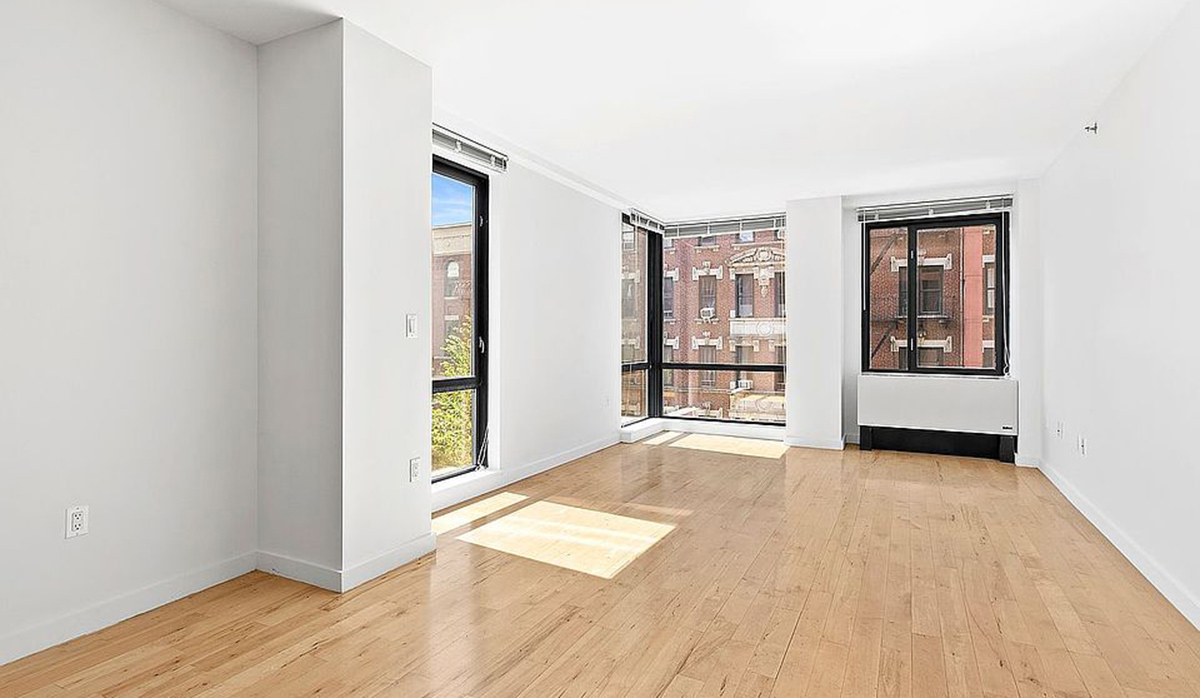
Window masking is an very important thing for real estate photography and editing just imagine you’re photographing a bright, sunlit living room. The walls look perfect, furniture is staged beautifully, and the room feels spacious. But when you look at the photo, the windows are pure white—completely blown out. The outside view is lost, and the image feels unfinished.
This is a common problem in real estate photography. Cameras can’t always balance the bright light coming through windows with the interior’s softer lighting. Window masking is the editing technique that solves this problem, allowing photographers and editors to showcase both the property and the outdoor view naturally.
What Is Window Masking?
Window masking is a photo editing process used to isolate windows in an image so that their exposure, brightness, and colors can be adjusted separately from the rest of the room.
In simple terms:
Interior remains properly lit without being too dark or washed out.
Outside view is visible and looks realistic.
Final image feels balanced, professional, and inviting.
This technique is essential in real estate photo editing because windows often create the biggest exposure challenges in interiors.
Why Window Masking Is Important
Windows are the most powerful light source in a room, but they are also the most challenging to photograph. Without proper editing:
- Interiors may look too dark.
- Windows appear overexposed or entirely white.
- The property loses its natural appeal.
Window masking fixes these issues and ensures photos:
- Highlight the room while maintaining natural light balance.
- Keep outdoor views realistic.
- Make the property feel bright, spacious, and professional.
In short, window masking enhances the overall quality and realism of real estate photos.
How Window Masking Works
Identify the Windows: The editor selects the areas in the image that correspond to windows using masking tools in software like Photoshop or Lightroom.
Adjust Exposure Separately: The brightness, contrast, and color of the window areas are adjusted without affecting the interior of the room.
Blend the View: If necessary, the outside scene is enhanced or replaced subtly to make it clear and appealing, while keeping it realistic.
Check Natural Light Balance: Editors ensure the final photo has even lighting, with no harsh transitions between the windows and the interior.
When done correctly, the viewer never notices the editing—it simply looks like a bright, naturally lit space. If you want to know more about how window masking works read this.
Common Mistakes in Window Masking
Overexposing the outside view: Making the outdoors look unnaturally bright or saturated.
Inconsistent shadows: Forgetting to match window adjustments with interior lighting.
Too much editing: Overdone masking can create an artificial look that reduces trust.
Professional editors carefully balance the interior and exterior, maintaining authenticity and clarity.
When Window Masking Is Used
Window masking is most often applied in:
- Interiors with large windows or glass doors.
- Rooms where outdoor views are a selling point.
- Spaces with uneven lighting or strong contrasts.
- Listings that require professional, marketing-ready photos.
It is a standard technique in modern real estate photo editing, particularly for high-end listings.
Conclusion
Window masking is an essential tool in real estate photo editing. By isolating windows and adjusting their exposure separately, editors ensure interiors remain bright and natural while outdoor views are visible.
This technique is subtle but powerful—it keeps images professional, realistic, and inviting, allowing potential buyers to see the property as it truly is.
In real estate photography, mastering window masking is part of creating images that capture attention, highlight features, and ultimately help properties sell faster.
FAQ: Window Masking in Real Estate Editing.
What is window masking in real estate editing?
Window masking is a photo editing technique that balances indoor lighting with outdoor views. It prevents windows from looking overexposed and ensures both the room interior and outside scenery appear clear and natural.
Why is window masking important in real estate photography?
Window masking makes property photos look professional and realistic. It highlights interior details while showcasing outdoor views, helping listings attract more buyers and stand out online.
How is window masking done?
Editors use tools like Photoshop or Lightroom to:
- Select window areas with a mask.
- Adjust exposure to reveal outdoor details.
- Blend layers for a seamless, natural look.
Is window masking the same as a window pull?
Yes. A window pull is another term for window masking. It combines multiple exposures to balance bright windows with darker interiors.
Who benefits from window masking?
- Real estate agents: Better listings with eye‑catching photos.
- Photographers: Deliver polished, professional edits.
- Buyers: Get a realistic view of both interior and exterior.
Does window masking take a lot of time?
Manual masking can be time‑intensive, but AI‑powered editing tools now automate the process, saving time while maintaining quality.