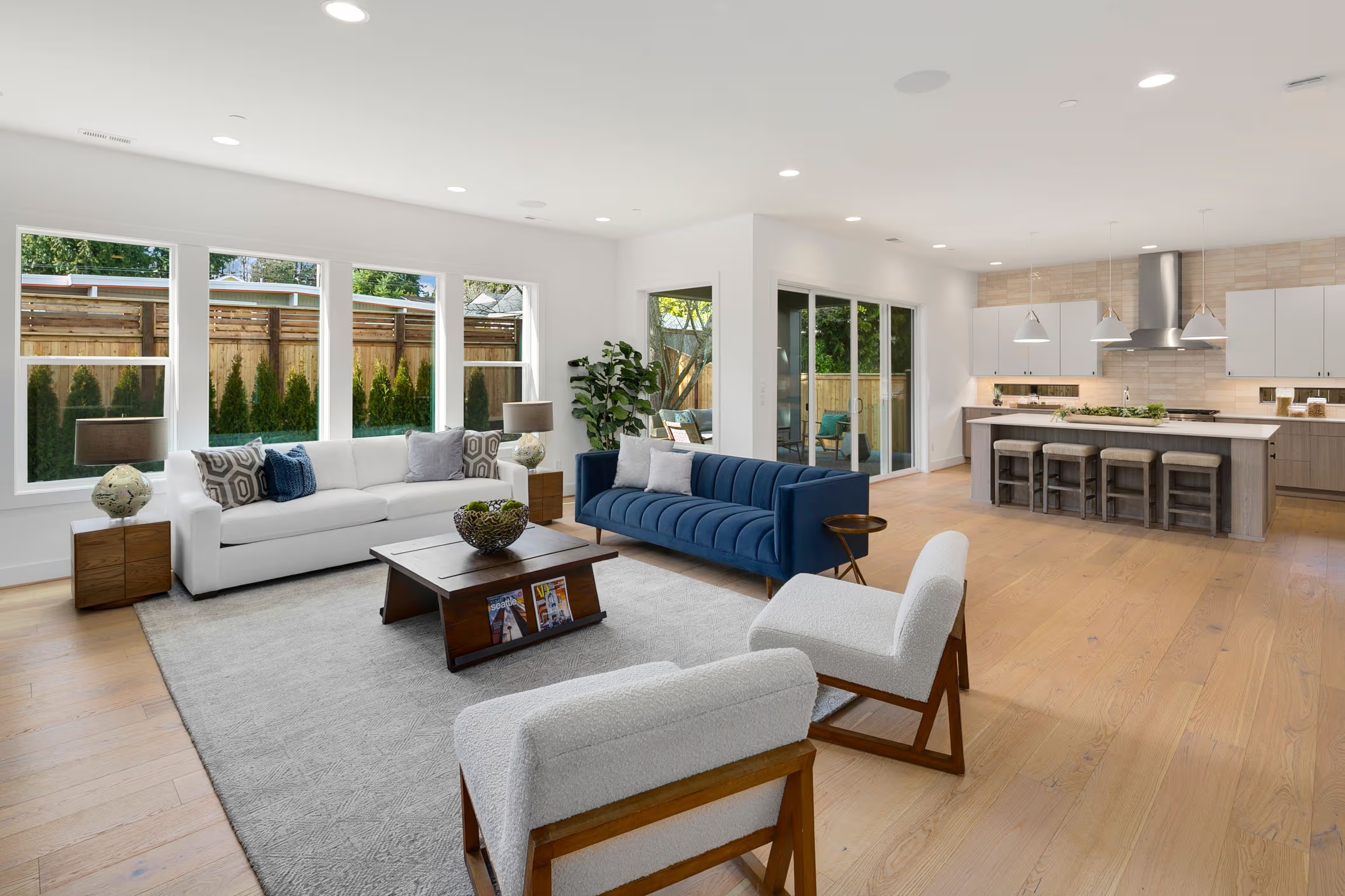
Imagine walking through a beautifully staged living room. The sunlight pours through the windows, the walls glow with natural color, and every detail is crisp and inviting. Now imagine taking a photo of that same room with a camera. Often, the bright windows become pure white, shadows swallow corners, and the overall image feels flat or unbalanced.
This is where HDR real estate photo editing comes into play. HDR, or High Dynamic Range, is a technique that bridges the gap between what your eyes see and what a camera captures. It’s the secret behind those polished, professional listing images that make buyers pause and take notice.
What Is HDR Real Estate Photo Editing?
HDR real estate photo editing is a method that combines multiple exposures of the same scene to create one perfectly balanced photo. In simple terms, it allows editors to capture both bright and dark areas in a property image without losing detail.
Think of it this way: the human eye can notice details in both bright sunlight and shadow at the same time. Cameras, however, struggle to do this in a single shot. HDR photo editing solves this problem by blending multiple images taken at different exposure levels.
How HDR Works in Real Estate Photography
Here’s a step-by-step explanation of how HDR editing works, without the technical jargon:
Multiple Shots Are Taken: Photographers capture the same scene multiple times—some photos are exposed for the bright areas, while others focus on darker corners.
Photos Are Blended Together: Using editing software, these images are merged. The bright areas retain detail without washing out the interior, and the shadows reveal the room’s textures and furniture.
Final Touches Are Added: Once blended, editors adjust color, straighten lines, and clean up small distractions. The result is a clean, realistic, and inviting image.
The process may sound technical, but the goal is simple: make the photo reflect what the space truly looks like to the human eye.
Why HDR Editing Matters in Real Estate
HDR editing is more than a fancy trick—it’s essential for creating professional, buyer-friendly images. Here’s why:
Balanced Lighting: Rooms no longer have dark shadows or overexposed windows. Every corner is visible.
Accurate Colors: Walls, furniture, and décor appear true to life. Buyers get a realistic sense of the property.
Professional Appeal: Listings with HDR images tend to get more clicks, inquiries, and showings.
Storytelling Power: HDR helps photos tell a story about the space—light floods in, details pop, and buyers can imagine themselves living there.
In short, HDR makes real estate photos look inviting, trustworthy, and ready to sell.
Common Misconceptions About HDR Editing
Many people worry HDR editing makes photos look “fake” or over-processed. The truth is, good HDR editing is subtle.
Overdone HDR can exaggerate colors or textures, but professional editors focus on balance. The purpose is clarity and realism, not exaggeration. When done correctly, HDR photos are closer to what you see with your own eyes.
HDR vs Standard Photo Editing
It’s important to understand how HDR differs from basic photo editing:
- Standard Editing: Adjusts brightness, color, and contrast on a single image.
- HDR Editing: Combines multiple exposures to capture the full range of light in a scene.
Think of standard editing as polishing a single shot, and HDR as merging several shots to create a flawless, naturally lit image.
When Is HDR Most Useful?
HDR editing is particularly helpful in situations like:
- Interiors with large windows or glass doors
- Rooms with uneven lighting (bright and shadowed areas)
- Exteriors during sunrise or sunset
- Any property where natural lighting adds value to the listing
It’s a tool that ensures every important detail in the property is visible, appealing, and professionally presented.
Conclusion: Why HDR Makes a Difference
HDR real estate photo editing is more than a technical process—it’s a storytelling tool. It bridges the gap between what the human eye sees and what a camera captures, creating images that are bright, clear, and true to life.
For real estate agents, photographers, and sellers, HDR is an investment in professionalism. It ensures buyers see the property at its best, helps listings stand out, and builds trust before anyone even steps inside.
In real estate photography, HDR doesn’t just make photos look good—it helps properties sell faster.
FAQs About HDR Real Estate Photo Editing
What does HDR stand for?
HDR means High Dynamic Range—a technique to capture both bright and dark areas in a single balanced photo.
Does HDR make real estate photos look fake?
Not when done professionally. HDR enhances natural light and detail, keeping photos realistic.
Do photographers need special cameras for HDR?
Most modern cameras can take the necessary multiple exposures for HDR editing.
Is HDR necessary for all property photos?
Not always. HDR is most valuable when there’s a big difference between bright and dark areas in a room or building.