High-quality photos have become the backbone of modern real estate marketing. Whether you’re an agent, a photographer, or a property manager, you already know that buyers make decisions faster than ever. What they see online directly influences whether they book a viewing, request more details, or scroll past your listing entirely. This is where professional real estate photo editing makes all the difference.
In this article, we break down what real estate photo editing really means, why it matters, what techniques professionals use, and how it impacts conversions and client trust. This guide follows E-E-A-T principles by sharing real-world insights, practical examples, and industry-tested experience.
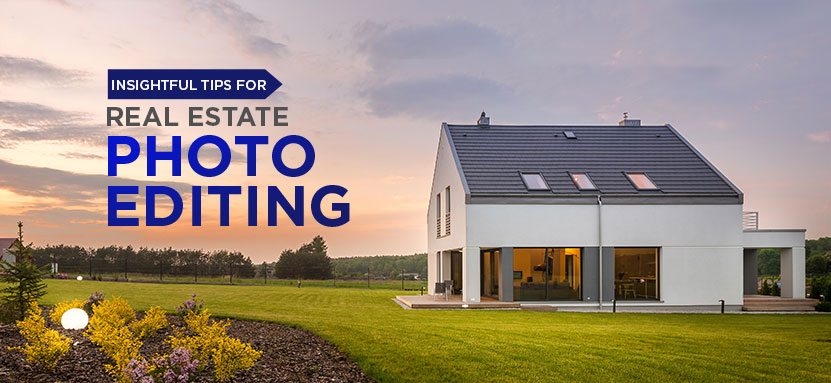
Real estate photo editing is the process of improving property photos to make them clearer, more attractive, and market-ready. This includes adjustments that correct lighting, remove distractions, enhance colors, and create a polished, realistic look that aligns with what buyers expect to see during a viewing.
Unlike simple filters or quick edits, professional editing focuses on accuracy, detail, and buyer psychology.
Why Real Estate Photo Editing Matters
First Impressions Are Formed in Seconds
Over the past few years, we’ve seen a major shift in buyer behavior. Most inquiries now come from online listings before a person ever speaks to an agent. If the photos aren’t appealing, the listing simply gets skipped.
Raw Photos Don’t Tell the Full Story
Even the best cameras struggle with exposure differences, mixed lighting, and color inconsistencies. Editors fix these issues so the space looks natural and true to life.
Editing Helps Highlight Key Selling Points
Buyers are drawn to bright kitchens, clean living areas, and inviting outdoor spaces. Proper editing brings out the details buyers care about the most.
Higher-Quality Photos Build Trust
Consistent, polished visuals help establish professionalism and credibility—both for real estate agents and photographers.
Better Photos Lead to More Engagement
Listings with professionally edited photos typically receive more clicks, longer view times, and more inquiries. Many agents we work with have reported a measurable increase in showing requests immediately after upgrading their photo quality.
Core Techniques Used in Professional Real Estate Photo Editing
Color Correction and Exposure Balancing
This ensures the image looks natural and consistent across the entire set. Dark corners, overly bright windows, and mixed color tones are corrected so the viewer sees the space clearly.
Sky Replacement
Outdoor photos often suffer from dull or overexposed skies. Replacing the sky with a clean, realistic blue sky instantly improves curb appeal.
HDR Blending
High Dynamic Range (HDR) blending combines multiple exposures to ensure both the interior and exterior look balanced—especially important for photos with large windows.
Object Removal
Unwanted items like cords, stains, trash bins, or distracting reflections can be removed to create a cleaner view.
Day-to-Dusk Conversion
Transforming a daytime photo into a warm, evening aesthetic adds emotional appeal and creates a premium look.
Lens Correction and Perspective Fixing
Straight lines matter in architectural photography. Editors correct distortion caused by wide-angle lenses to ensure the property looks accurate and spacious.
Virtual Staging or Empty Room Enhancement
For empty or outdated spaces, digital furniture can help buyers visualize how the space can be used.
Real Experience: What We See Working With Real Estate Teams
Over the years, we’ve worked with agencies and photographers across various markets—USA, Canada, Europe, Australia—and one thing is consistent:
clients always respond better when the visuals are clean, consistent, and bright.
A mid-sized real estate agency we supported noticed that their rental listings were getting fewer inquiries in certain neighborhoods. After analyzing the photos, we found they were too dark and lacked detail. After re-editing over 300 images with proper color correction, sky replacement, and object cleanup, the agency saw a 22% increase in inquiries within the first month.
These changes weren’t dramatic—they were subtle improvements done consistently. That’s the power of professional editing.
How Professional Editing Affects Sales and Marketing Performance
- Properties appear more spacious and inviting
- Online listings get more visibility and interactions
- Agents build a stronger brand presence
- Photographers stand out from competitors
- Homes sell or rent faster because viewers connect emotionally with the visuals
In today’s competitive market, photo editing is no longer optional. It is a core part of real estate marketing.
Common Mistakes When Editing Real Estate Photos and How Professionals Avoid Them
Over-editing
Oversaturated colors, fake-looking skies, or unrealistic brightness can damage trust. Professional editors keep everything natural.
Inconsistent Styles Across a Photo Set
Buyers notice when one room looks warm and another looks cool. Editors maintain consistency across all images.
Ignoring Small Details
Dust on mirrors, marks on walls, clutter on countertops—these tiny distractions matter. Skilled editors remove them carefully.
Incorrect White Balance
Mixed lighting can cause yellow or blue tones. Experts fix this to make colors accurate.
Should You Use a Professional Editing Service?
If you’re a photographer, agent, or property owner who wants to:
- save time
- improve listing performance
- impress clients
- maintain a consistent brand look
- or handle high image volume
then professional editing is the most cost-effective solution available.
Most teams now outsource editing so they can focus on shooting, selling, or managing properties—not sitting in front of editing software all day.
Final Thoughts
Professional real estate photo editing is about more than making images look “nice.”
It’s about presenting properties with clarity, accuracy, and visual appeal so buyers feel confident and motivated to take the next step.
In a market where competition is growing and attention spans are shrinking, well-edited photos are one of the most powerful tools in real estate marketing.
FAQ: Professional Real Estate Photo Editing
How long does real estate photo editing take?
Turnaround times vary, but most professional teams offer 12 to 24 hours for standard edits.
Is edited real estate photography misleading?
Not when done correctly. Professional editing improves clarity and removes distractions but does not alter the physical structure of the property.
What types of images benefit the most from editing?
Interiors, exteriors, twilight shots, drone photos, and empty spaces needing virtual staging all benefit significantly.
Can editing increase the selling price of a property?
While editing itself doesn’t change the value, better presentation attracts more interest, which can lead to higher offers or faster sales.
Do real estate photographers outsource editing?
Yes. Many photographers outsource to maintain fast delivery times and take on more clients.