In today’s real estate market, buyers form opinions long before they visit a property. In fact, most decisions begin on a screen—scrolling through listings, swiping past photos, and pausing only when something truly catches their attention.
Before price, before location, before square footage, there is the image.
A well-edited photo can instantly make a property feel bright, spacious, and welcoming. A poorly edited—or completely unedited—photo can make the same property feel dark, cramped, or neglected. This difference directly affects how buyers perceive value, quality, and trust.
Photo editing is not about exaggeration. It is about removing technical limitations so buyers can see a property clearly and confidently.
Why Buyer Perception Is Critical in Real Estate Marketing
Real estate is one of the most emotional purchasing decisions people make. Buyers are not just buying walls and floors—they are imagining a lifestyle, a future, and a sense of belonging.
When browsing listings, buyers subconsciously ask:
- Does this place feel comfortable?
- Can I see myself living here?
- Is this property well maintained?
- Is the seller serious and trustworthy?
Photos answer these questions instantly. Editing plays a key role in shaping those answers.
If images feel careless or poorly presented, buyers may assume the same about the property—even when that assumption is wrong.
How Photo Editing Shapes First Impressions
First impressions are formed within seconds. Once created, they are difficult to change.
Photo editing influences:
- Mood
- Perceived cleanliness
- Sense of space
- Overall quality
A clean, well-edited photo creates a positive emotional response. Buyers feel curiosity instead of hesitation. They pause instead of scrolling. They click instead of ignoring.
This initial reaction often determines whether a buyer continues engaging with a listing or moves on to the next one.
Lighting: The Strongest Emotional Trigger
Lighting is the foundation of buyer perception. Natural, balanced light makes spaces feel open and inviting. Poor lighting does the opposite.
How Poor Lighting Hurts Perception
Unedited photos often suffer from:
- Dark corners
- Overexposed windows
- Harsh shadows
- Uneven brightness
Buyers don’t consciously analyze these flaws. They simply feel that something is off.
Dark photos can make rooms feel smaller and less welcoming. Overexposed areas feel careless and unprofessional.
How Editing Improves Lighting Naturally
Professional photo editing balances exposure across the image. Highlights are controlled, shadows are softened, and natural light is evenly distributed.
The result is a space that feels:
- Bright but realistic
- Comfortable rather than harsh
- Clear without looking artificial
This visual balance makes buyers feel at ease—and emotional comfort leads to stronger interest.
Color Accuracy Builds Trust and Comfort
Color has a powerful psychological effect. Even subtle color shifts can influence how a space feels.
Problem With Incorrect Color
Cameras often misinterpret indoor lighting, causing:
- Yellow or orange walls
- Blue or green shadows
- Inconsistent tones across rooms
To buyers, these color issues can suggest poor maintenance or outdated interiors—even when that’s not true.
How Color Correction Affects Buyer Confidence
Photo editing corrects white balance and color tones so spaces look natural and true to life. Whites look clean. Wood tones feel warm. Walls appear neutral.
Accurate colors help buyers trust the images. When photos feel honest, buyers feel confident moving forward.
Clean Images Create a Sense of Value
Clutter—even small clutter—affects how buyers perceive value.
A trash bin in the corner, visible cords, personal items, or random objects can distract from the space itself. These elements pull attention away from architecture, layout, and light.
Role of Object Removal
Object removal editing eliminates unnecessary distractions without altering the structure of the property. The space looks clean, intentional, and ready to be lived in.
Buyers don’t think, “This photo was edited.”
They think, “This place looks well cared for.”
Clean visuals elevate perceived value—even for modest homes.
How Photo Editing Helps Buyers Understand Space
One common buyer concern is whether photos accurately represent room size and layout.
Wide-angle lenses can distort lines, making walls lean and spaces feel awkward. This can confuse buyers and create uncertainty.
Perspective Correction and Buyer Clarity
Photo editing corrects vertical and horizontal lines, restoring balance and proportion. Rooms feel stable and natural.
This clarity helps buyers:
- Understand room dimensions
- Visualize furniture placement
- Feel confident about layout
Clear visuals reduce doubt, and reduced doubt leads to stronger engagement.
Consistency Across Images Builds Professionalism
A listing is not a single photo—it’s a collection of images that should tell one clear story.
When photos vary wildly in brightness, color, and style, the listing feels disorganized. Buyers may subconsciously question the quality of the property or the professionalism of the seller.
Why Consistency Matters
Professional photo editing ensures:
- Similar lighting across all photos
- Matching color tones
- Uniform clarity and contrast
This consistency makes the listing feel cohesive and well-planned. Buyers perceive the property as thoughtfully marketed and professionally handled.
Exterior Editing and Buyer Expectations
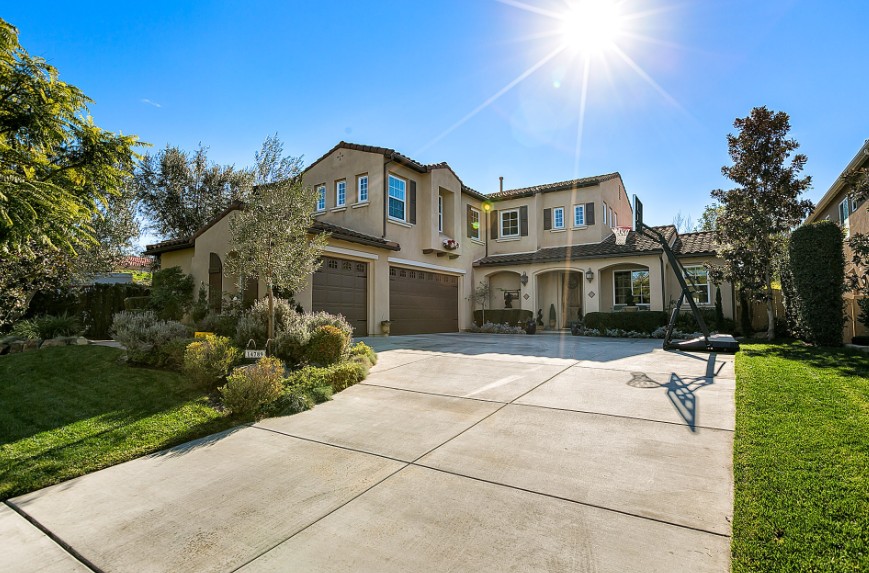
Exterior photos are often the first images buyers see. The sky, lawn, and facade create an immediate emotional response.
Sky Replacement and Mood
A dull or overexposed sky can make a property feel lifeless. Sky replacement editing enhances mood without changing the property itself.
A bright, natural-looking sky creates:
- A welcoming first impression
- Stronger curb appeal
- Emotional warmth
When done subtly, buyers perceive the property as attractive—not artificial.
Editing vs Misrepresentation: Where Trust Is Built or Lost
One of the most important aspects of buyer perception is trust.
Buyers expect photos to be flattering—but not deceptive.
Ethical Photo Editing
Good editing:
- Enhances clarity
- Corrects technical flaws
- Maintains realistic proportions
- Shows the property honestly
Bad editing:
- Over-saturates colors
- Removes permanent features
- Alters structure or layout
- Creates unrealistic expectations
When buyers visit a property and it matches the photos, trust is reinforced. When it doesn’t, trust is broken.
Professional editing strengthens credibility by presenting reality clearly—not by exaggerating it.
How Photo Editing Impacts Online Performance
Photo editing doesn’t just affect perception—it affects measurable results.
Well-edited photos often lead to:
- Higher click-through rates
- Longer time spent on listings
- More inquiries and showings
- Stronger buyer interest
In competitive markets, buyers shortlist properties visually. Editing helps a listing stand out among dozens of similar options.
Role of Experience and Expertise in Editing
Not all editing is equal. Experience matters.
Professional editors understand:
- Buyer psychology
- Real estate marketing standards
- Natural lighting behavior
- Ethical boundaries
Their goal is not to impress with effects, but to create images that feel believable, attractive, and trustworthy.
This expertise directly affects how buyers interpret what they see.
Conclusion: Editing Shapes Perception Before Reality Takes Over
Photo editing plays a silent but powerful role in real estate marketing. It removes technical distractions and allows buyers to see a property clearly, comfortably, and confidently.
By improving lighting, color accuracy, cleanliness, balance, and consistency, editing shapes buyer perception long before a showing is scheduled.
In an online-first market, perception begins with photos. When editing is done correctly, it doesn’t change reality—it reveals it in its best possible light.
FAQs: How Photo Editing Influences Buyer Perception
Does photo editing really affect buyer decisions?
Yes. Buyers form emotional judgments based on images before reading descriptions or visiting properties.
Can editing make a property look bigger?
Editing can improve clarity and balance but should never distort size or layout.
Do buyers notice professional editing?
They don’t notice the editing itself—only how good the property looks.
Is photo editing ethical in real estate?
Yes, when it enhances presentation without hiding defects or altering reality.
Does professional editing help properties sell faster?
In many cases, yes. Better photos attract more serious buyers and stronger interest.