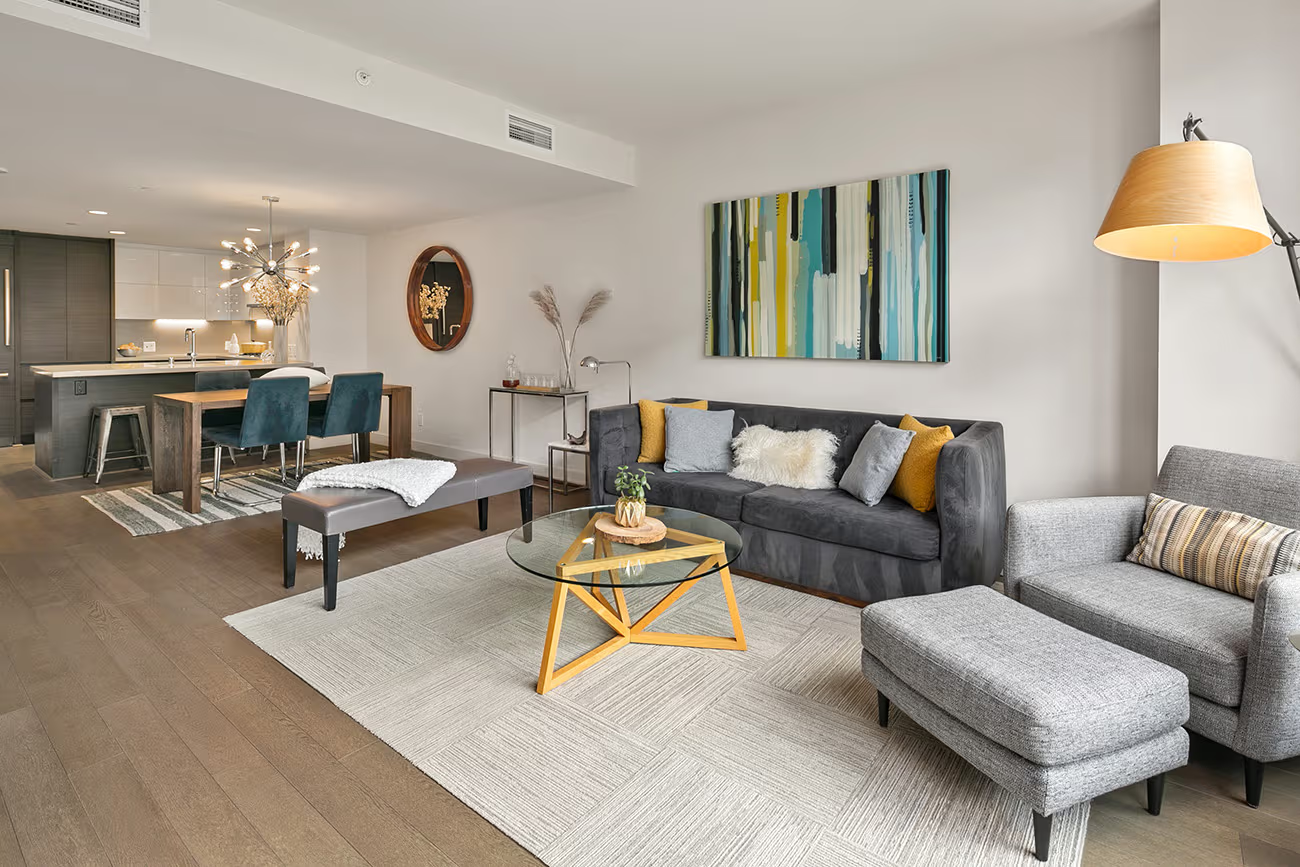
Imagine walking through a home listing online. One photo captures every detail perfectly—the room feels bright, inviting, and true-to-life. Another photo, however, has shadows hiding corners or windows so bright they’re just white blocks.
Real estate photo editing is what separates these two experiences. Two popular techniques, HDR (High Dynamic Range) and Flambient editing, are often used to achieve professional-quality images. While they may seem similar, each serves a unique purpose in showing properties at their best. Understanding the difference helps agents, photographers, and sellers make informed decisions about their listings.
What Is HDR Real Estate Photo Editing?
HDR editing is a technique that combines multiple photos of the same scene taken at different exposures.
Purpose: To balance bright and dark areas.
How It Works: The camera captures separate exposures—one for highlights, one for midtones, and one for shadows. Editors blend them together to produce a single image where everything is visible and balanced.
Result: Rooms look naturally lit, windows aren’t blown out, and details in shadows and highlights are visible.
HDR is especially useful in interiors with large windows, bright sunlight, or high-contrast scenes.
What Is Flambient Editing?
Flambient, short for Flash + Ambient, is a technique that combines the use of ambient light with flash during the shoot and then blends them in post-processing.
- Purpose: To create a photo that looks naturally lit while preserving the interior’s atmosphere.
- How It Works: A photographer uses one or more flashes to illuminate shadowed areas while still capturing natural light from windows. The resulting images are blended to achieve a warm, realistic, and evenly lit scene.
- Result: Photos feel bright and inviting but with a natural, lifelike quality that looks like the room is glowing under the sun’s natural light.
Flambient is often preferred for luxury homes or high-end real estate because it enhances the natural ambiance without looking overly processed.
Differences Between HDR and Flambient
| Feature | HDR Editing | Flambient Editing |
|---|---|---|
| Source of Light | Multiple exposures of natural or available light | Combination of flash and ambient light during shooting |
| Post-Processing | Combines multiple exposures digitally | Blends flash-lit and ambient-lit images |
| Look & Feel | Balanced, bright, detailed | Realistic, warm, inviting |
| Best For | Rooms with strong contrasts, bright windows | Luxury homes, interiors needing a natural glow |
| Equipment | Standard camera, tripod | Camera with flash system, tripod |
While both techniques aim to improve image quality, HDR emphasizes detail balance, whereas Flambient emphasizes natural light and ambiance.
Why Photographers Choose One Over the Other
Photographers often choose based on property type, client expectations, and shooting conditions:
HDR works well for standard listings where clear visibility of all areas is important. It’s especially helpful in smaller rooms or spaces with uneven lighting.
Flambient is preferred for high-end or luxury homes where ambiance and mood are key. It captures the warmth of natural light while maintaining clarity.
In some cases, photographers may combine both techniques to achieve the perfect balance between detail and ambiance.
When Each Editing Style Excels
HDR Editing:
- Bright windows without losing interior details
- Shadow-heavy interiors
- High-contrast scenes like staircases or multi-level rooms
Flambient Editing:
- Luxury properties with open spaces
- Rooms where the natural warmth of sunlight should be maintained
- Photos that need to feel inviting and “lived-in”
Understanding the goal of each technique helps sellers and agents choose the style that best represents the property.
Conclusion
HDR and Flambient editing are two powerful tools in real estate photography. HDR focuses on balancing light and detail, ensuring every corner of a room is visible. Flambient combines flash with natural light to preserve warmth, mood, and realism.
The choice between HDR and Flambient depends on property type, lighting conditions, and the story you want your photos to tell. Understanding these differences allows photographers, agents, and sellers to showcase homes more effectively, helping listings stand out and attract serious buyers.
FAQs About HDR and Flambient Editing
Can HDR and Flambient be used together?
Yes. Some photographers use HDR for base exposure balance and then apply Flambient techniques to preserve natural warmth and ambiance.
Does Flambient editing require special equipment?
Yes. It usually requires flashes or strobes along with ambient light to achieve the desired effect.
Which one is better for standard listings?
HDR is typically sufficient for most standard listings. Flambient is better suited for high-end or visually-driven properties.
Do buyers notice the difference?
While they may not know the technical terms, well-edited photos—whether HDR or Flambient—increase engagement and create a better first impression.