In real estate marketing, images play a powerful role. A single photo can shape how buyers feel about a property before they ever step inside. Behind every strong listing image, however, are two separate but closely connected processes: real estate photography and real estate photo editing.
These two terms are often used interchangeably, but they are not the same. Understanding the difference between real estate photography and photo editing helps agents, photographers, and property owners set better expectations and achieve better results.
What Is Real Estate Photography?
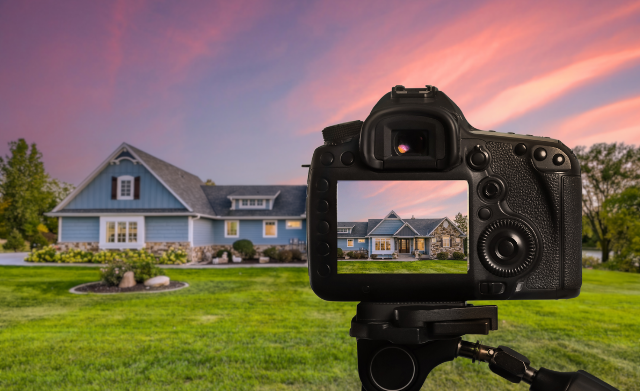
Real estate photography is the process of capturing images of a property using a camera. It takes place on location and focuses on composition, lighting, angles, and timing.
A real estate photographer’s job is to present each space in the most appealing and accurate way possible. This includes choosing the right lens, positioning the camera carefully, and using natural or artificial light to highlight the property’s best features.
Good real estate photography starts long before editing. Clean rooms, proper staging, and thoughtful framing all influence the final result. If the photos are poorly captured, no amount of editing can fully fix them.
What Is Real Estate Photo Editing?
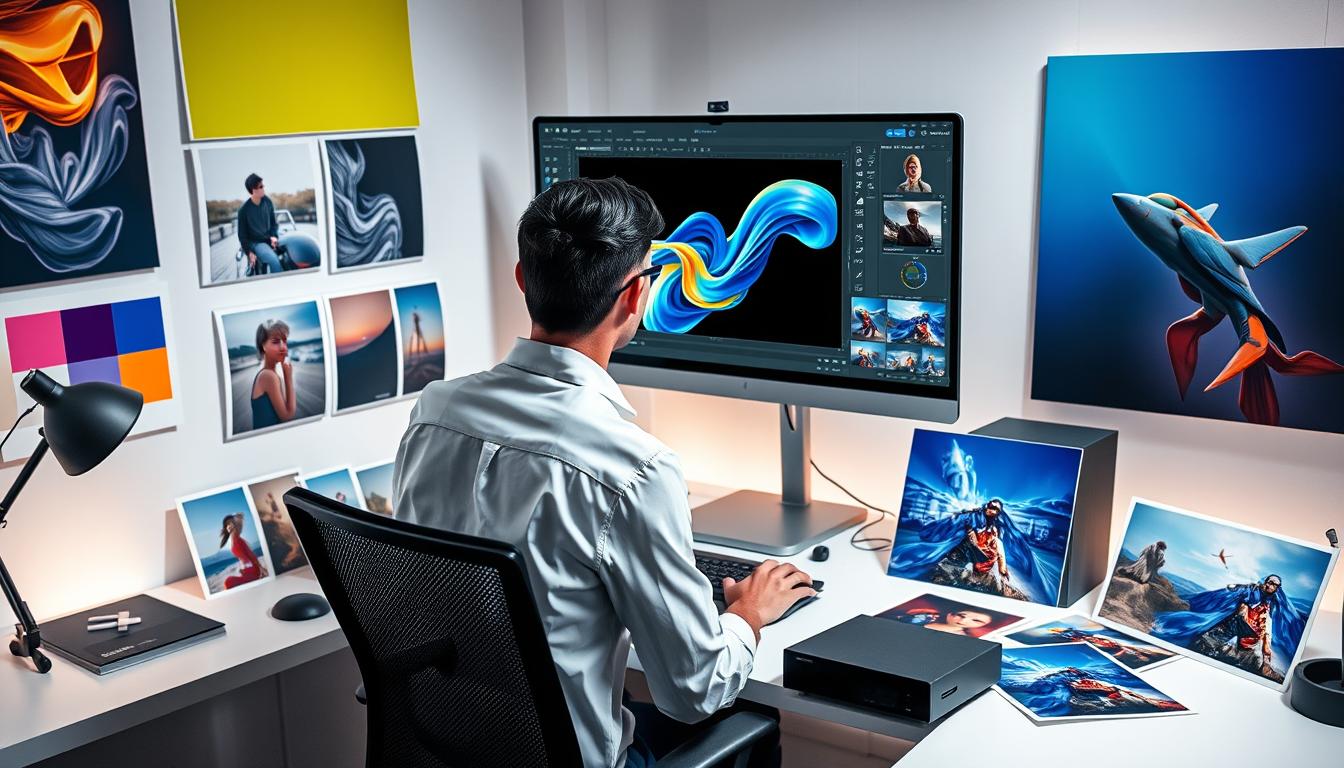
Real estate photo editing begins after the photos are taken. It involves enhancing the images to make them look clean, balanced, and professional while keeping them realistic.
Editing may include adjusting brightness, correcting color tones, straightening vertical lines, reducing glare, and removing small distractions. In some cases, advanced techniques like HDR blending, sky replacement, or day-to-dusk effects are used.
The goal of real estate photo editing is not to change the property, but to present it clearly and attractively, as it would appear in ideal conditions.
Differences Between Photography and Photo Editing
The most important difference between real estate photography and photo editing lies in when and how they are performed.
Photography happens on site and depends heavily on the photographer’s skill, equipment, and preparation. It captures the raw visual information of the property.
Photo editing happens after the shoot and focuses on refinement. It enhances what has already been captured, correcting technical issues and improving overall presentation.
Photography sets the foundation, while editing completes the image.
Skills Required for Each Process
Real estate photography requires an understanding of composition, lighting, camera settings, and spatial awareness. Photographers must work quickly, adapt to different properties, and make creative decisions in real time.
Photo editing, on the other hand, requires technical knowledge of editing software, color theory, perspective correction, and visual consistency. Editors must pay close attention to detail and maintain a natural look.
While some professionals handle both roles, many photographers outsource editing to specialists to save time and maintain consistent quality.
Why Both Photography and Editing Matter Equally
Strong real estate images are rarely the result of just one step. Even the best photographer relies on editing to polish images, and even the best editor needs high-quality photos to work with.
Without good photography, editing becomes limited. Without proper editing, photos may look flat, dull, or unbalanced. The best results come when both processes work together.
In competitive real estate markets, this combination can significantly influence buyer interest and listing performance.
Can One Exist Without the Other?
Technically, yes—but practically, no.
Unedited photos often fail to show a property at its best. Over-edited images, on the other hand, can look unnatural and misleading if the photography is weak.
For professional listings, real estate photography and photo editing should be viewed as two parts of the same workflow rather than separate services.
Conclusion
The difference between real estate photography and photo editing comes down to capture versus refinement. Photography records the property, while editing enhances and prepares those images for marketing.
When both are done properly, they work together to create listing photos that are accurate, professional, and appealing to buyers. Understanding this distinction helps everyone involved achieve better results and avoid unrealistic expectations.
FAQs: Real Estate Photography vs Photo Editing
Is real estate photography more important than photo editing?
Both are equally important. Photography captures the property, while editing refines the image for presentation.
Can photo editing fix bad real estate photos?
Editing can improve images, but it cannot fully correct poor composition or badly captured lighting.
Do real estate photographers always edit their own photos?
Not always. Many photographers outsource photo editing to save time and maintain consistency.
Is photo editing considered misleading in real estate?
No, as long as editing enhances clarity and does not alter the property’s structure or features.